If a roofing estimate is missing line items, the price may not reflect the full roof system. Check whether it includes tear-off, disposal, underlayment, starter shingles, ridge cap, flashing, drip edge, ventilation, pipe boots, decking rules, cleanup, warranty terms, permits, and any insurance-scope items. A lower number is not a better bid if half the work is quietly excluded.
Missing line items matter because they show up later as change orders, claim supplements, mismatched scopes, or shortcuts on install day. In Kansas City storm work, a contractor estimate and an insurance estimate also need to be compared line by line so the construction scope is clear before shingles come off the roof.
What roof estimate line items are most often missing?
The most commonly missed roof estimate line items are the parts homeowners cannot easily see from the driveway: underlayment, starter strip, ridge cap, flashing, pipe boots, ventilation, drip edge, ice and water shield, decking rules, disposal, permits, cleanup, and warranty terms.
A good estimate should read like a roof system, not a one-line price. At minimum, look for:
- Tear-off and disposal of old roofing
- Shingle manufacturer, product, color, and warranty level
- Starter shingles and ridge cap shingles
- Synthetic underlayment
- Ice and water shield where required or recommended
- Drip edge and edge metal
- Valley treatment
- Pipe boots, vents, and roof penetrations
- Step flashing, wall flashing, chimney flashing, and skylight flashing if present
- Ventilation plan
- Decking replacement rules and per-sheet price
- Magnetic nail sweep and cleanup
- Workmanship warranty and manufacturer warranty details
If one contractor includes those items and another does not, you are not comparing the same roof. You are comparing a full scope against a thinner bid with better makeup.
Why do missing line items make a roofing estimate look cheaper?
Missing line items make a roof estimate look cheaper because the cost is being delayed, excluded, or pushed into vague language. The homeowner sees a lower total, but the missing work still has to be done if the roof is going to perform correctly.
For example, a bid that lists only “architectural shingles” may leave out ridge cap, starter, proper underlayment, ventilation changes, flashing replacement, or wood decking rules. Those items can add real money after the job starts. Worse, some of them can affect leaks, shingle warranty, and roof life.
Kansas City roofs also vary a lot by pitch, number of facets, valleys, chimneys, skylights, attic ventilation, and storm damage. A simple ranch roof and a steep Leawood roof with multiple penetrations should not have the same line-item detail. If the estimate does not explain the difference, ask for a clearer scope before signing.
What should be included in a roof replacement estimate?
A roof replacement estimate should include the full tear-off, the complete new roof system, hidden-damage rules, cleanup, warranties, payment terms, and exclusions. The homeowner should be able to understand what is included without needing contractor shorthand translated.
The estimate should also explain quantities. Roofing is usually measured in squares, with one square equaling 100 square feet of roof surface. Roof area is not the same as house square footage, so a strong estimate should be based on roof measurements, not a rough guess from the home’s living area.
For a broader checklist of complete estimate components, read what is included in a professional roof estimate. This page focuses on the gaps that usually cause problems.
Which missing line items matter most on an insurance roof claim?
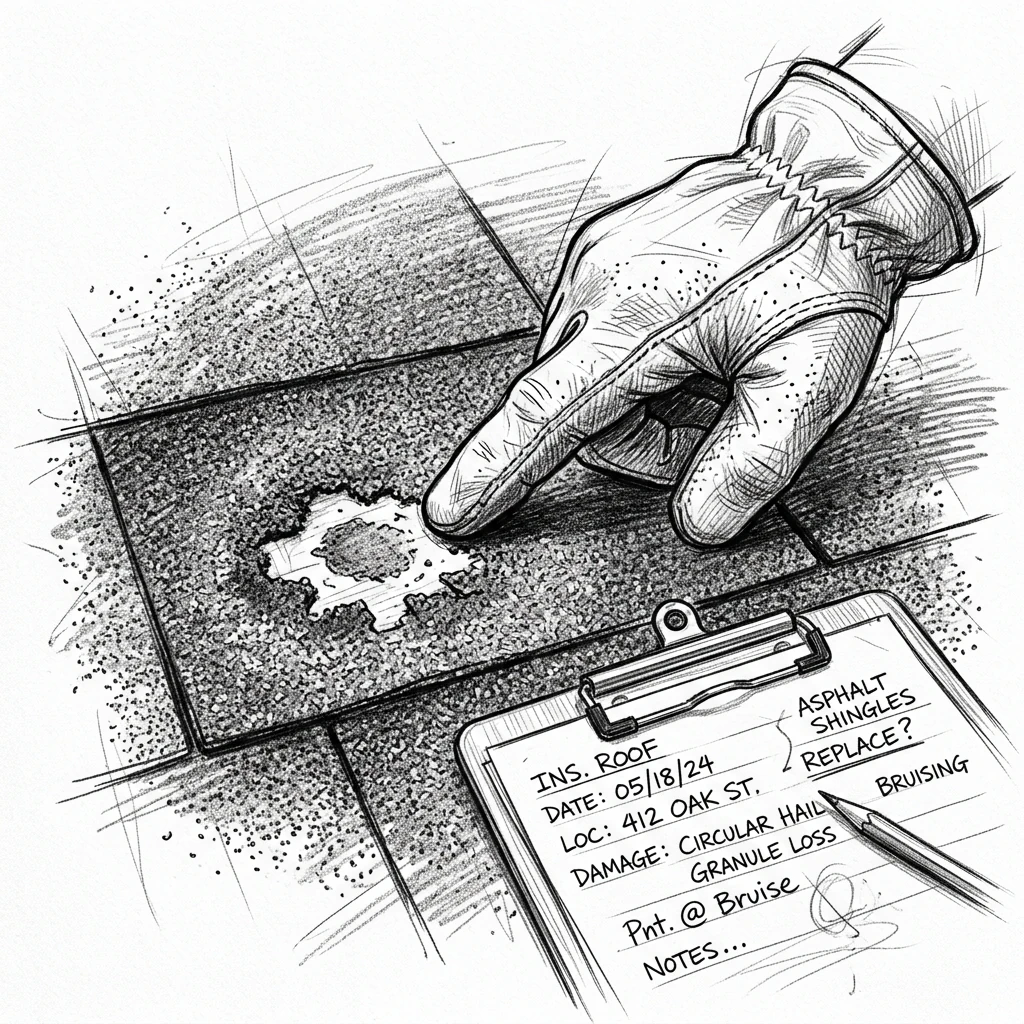
On an insurance roof claim, the most important missing line items are the ones tied to the approved construction scope: code-required items, drip edge, ice and water shield, starter, ridge cap, flashing, ventilation, steep charges, high charges, tear-off layers, decking, and damaged roof accessories.
An insurance estimate is not the same thing as a contractor’s build estimate. The carrier writes a scope for covered damage based on the policy and inspection. The contractor writes a construction scope for the work needed on the roof. Those two documents should be compared carefully.
Maverick can inspect the roof, document observed damage, explain construction line items, meet an adjuster when appropriate, and submit construction documentation for carrier review. Maverick does not decide coverage, control claim outcomes, provide legal advice, or act as a public adjuster. Coverage questions belong with the insurance company, agent, or a properly licensed professional.
For more detail on how missing items get documented after a claim scope is issued, read Roof Claim Supplements in Kansas City.
How can you compare two roof estimates line by line?
Compare two roof estimates by matching scope before comparing price. Put the bids side by side and check whether each contractor included the same roof system, the same warranty level, the same hidden-damage rules, and the same cleanup responsibilities.
Use this quick comparison table:
| Line item to compare | Why it matters |
|---|---|
| Shingle product and manufacturer | Different shingles carry different costs and warranty options |
| Underlayment | Protects the decking below the shingles |
| Starter and ridge cap | These are roof-system components, not optional extras |
| Flashing scope | Weak flashing details can create future leak points |
| Ventilation | Poor airflow can shorten roof life and trap attic moisture |
| Decking rules | Hidden rotten wood can change the final invoice |
| Tear-off and disposal | Multiple layers, dump fees, and labor affect real cost |
| Cleanup and nail sweep | Install quality includes what is left behind in the yard |
| Warranty terms | A verbal promise is not a usable warranty |
| Exclusions | Clear exclusions are fine. Hidden exclusions are not. |
If an estimate says “included as needed,” ask what that means in writing. That phrase can be reasonable for hidden decking. It is not good enough for core items like underlayment, drip edge, starter, ridge cap, or cleanup.
What questions should you ask before signing a roof estimate?
Before signing a roof estimate, ask direct questions about every vague or missing line item. A professional contractor should be able to answer in plain English and update the written scope if something important was left out.
Ask these questions:
- What shingle, underlayment, starter, and ridge cap products are included?
- Are drip edge, pipe boots, vents, valleys, and flashing included or reused?
- How is rotten or damaged decking priced if it is found after tear-off?
- Does this estimate include cleanup, disposal, and magnetic nail sweep?
- What workmanship warranty is included, and what manufacturer warranty applies?
- Are permits, code-required items, or city-specific requirements included?
- If this is an insurance claim, how does this scope compare with the carrier’s estimate?
If the contractor gets annoyed by those questions, that is useful information. The roof is not a mystery box. You are allowed to know what you are buying.
When should you ask a roofer to rework the estimate?
Ask for a revised roofing estimate when the scope is vague, the exclusions are unclear, the product names are missing, or the insurance and contractor scopes do not match. The fix is simple: request a written version that lists the actual materials, quantities, warranty terms, and assumptions.
You do not need a 30-page document for every small repair. But for a full roof replacement, storm claim, steep roof, older home, or roof with chimneys, skylights, or ventilation concerns, a thin estimate is risky. Details protect the homeowner and the contractor.
Maverick has served Kansas City homeowners since 1992 and uses inspection photos, measurements, and written scopes to make roof decisions clearer. If you are looking at an estimate that feels incomplete, request a roof estimate or schedule a second opinion before signing.
FAQs about roofing estimate missing line items
What is the biggest red flag in a roofing estimate?
The biggest red flag is a one-line total with no clear scope. A full replacement estimate should list materials, roof-system components, decking rules, warranty terms, cleanup, and exclusions. If the estimate does not explain what is included, you cannot compare it fairly against another bid.
Are missing roof estimate line items always intentional?
No. Sometimes an estimate is missing line items because it was rushed, templated poorly, or written before a full inspection. The problem is not always bad intent. The problem is signing before the missing details are clarified in writing.
Can a lower roofing estimate still be a good estimate?
Yes, but only if the scope matches the other bids. A lower price can come from better efficiency, simpler overhead, or a smaller scope. Compare the materials, flashing, ventilation, decking rules, warranties, and cleanup before deciding the lower estimate is the better deal.
What should I do if my insurance estimate is missing roof items?
Ask your contractor to compare the carrier’s estimate against the observed roof conditions and construction scope. The contractor can document damaged or required items for carrier review. Coverage decisions still belong to the insurer, not the contractor.
Should decking be included in every roof estimate?
The estimate should at least explain how decking is handled. Some damaged wood is visible before work starts, but hidden decking problems are often found after tear-off. A written per-sheet price or included allowance helps prevent surprises.
Should flashing be replaced or reused?
It depends on condition, location, and the roof detail. Some flashing can be reused if it is correctly installed and still sound. Some should be replaced. The estimate should say what the contractor plans to replace, reuse, or inspect during tear-off.